
Sense Hosts Conversation on Getting More from the Grid We Already Have
A conversation with the Undersecretary of Energy for the Commonwealth of Massachusetts, Apex Analytics, the Environmental League of Massachusetts, and National Grid on demand reduction, load flexibility, and making better use of existing grid infrastructure.
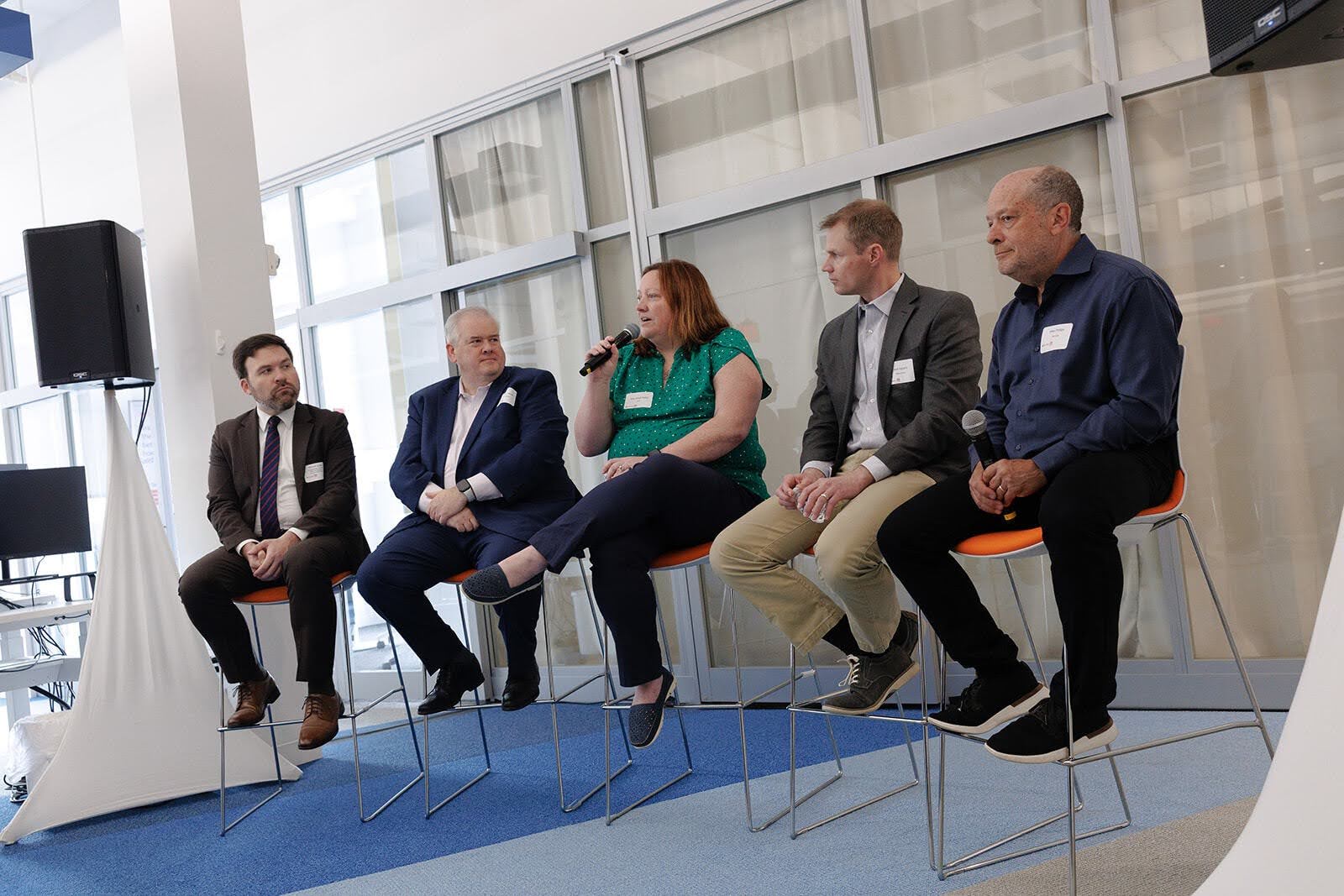
Speakers (from left to right): Mike Judge, Undersecretary of Energy for the Commonwealth of Massachusetts / Matt Nelson, Apex Analytics / Amy Boyd Rabin, Vice President of Policy and Regulatory Affairs at the Environmental League of Massachusetts / Jake Navarro, Director of Clean Transportation at National Grid / Mike Phillips, CEO, Sense
During Boston Climate Week, we hosted a panel discussion at our Cambridge office focused on one of the most urgent questions facing Massachusetts and the broader energy sector: how can utilities meet rising electricity demand while keeping energy reliable, affordable, and clean?
The conversation centered on Massachusetts Executive Order 654, which calls for 10 gigawatts of new energy resources, including 3.5 gigawatts from demand reduction, load management, and flexibility. That target reflects an important shift in how the Commonwealth is thinking about the energy transition. Meeting future demand will not be solved only by building new generation, transmission, and distribution infrastructure. It will also require getting more value from the grid that already exists.
Sense CEO Mike Phillips moderated the discussion, joined by Mike Judge, Under Secretary of Energy for the Commonwealth of Massachusetts; Matt Nelson, principal at Apex Analytics and former chair of the Massachusetts Department of Public Utilities; Amy Boyd Rabin, Vice President of Policy and Regulatory Affairs at the Environmental League of Massachusetts; and Jake Navarro, Director of Clean Transportation and Program Delivery at National Grid.

Mike Phillips, CEO, Sense
A core theme emerged early: affordability and reliability are increasingly shaped by when and where electricity is used, not just how much is used. Peaks, localized constraints, and short-duration stress events can drive long-term infrastructure costs. If utilities can better understand and manage those moments, they can reduce pressure on the grid while helping customers avoid unnecessary costs.
That is where next-generation smart meters become essential.
As Mike Phillips told the crowd, earlier generations of smart meters were largely designed to improve billing and provide interval data after the fact. AMI 2.0 changes the role of the meter. These meters can support software, process high-resolution electrical signals, and create a more dynamic connection between homes and the distribution grid.
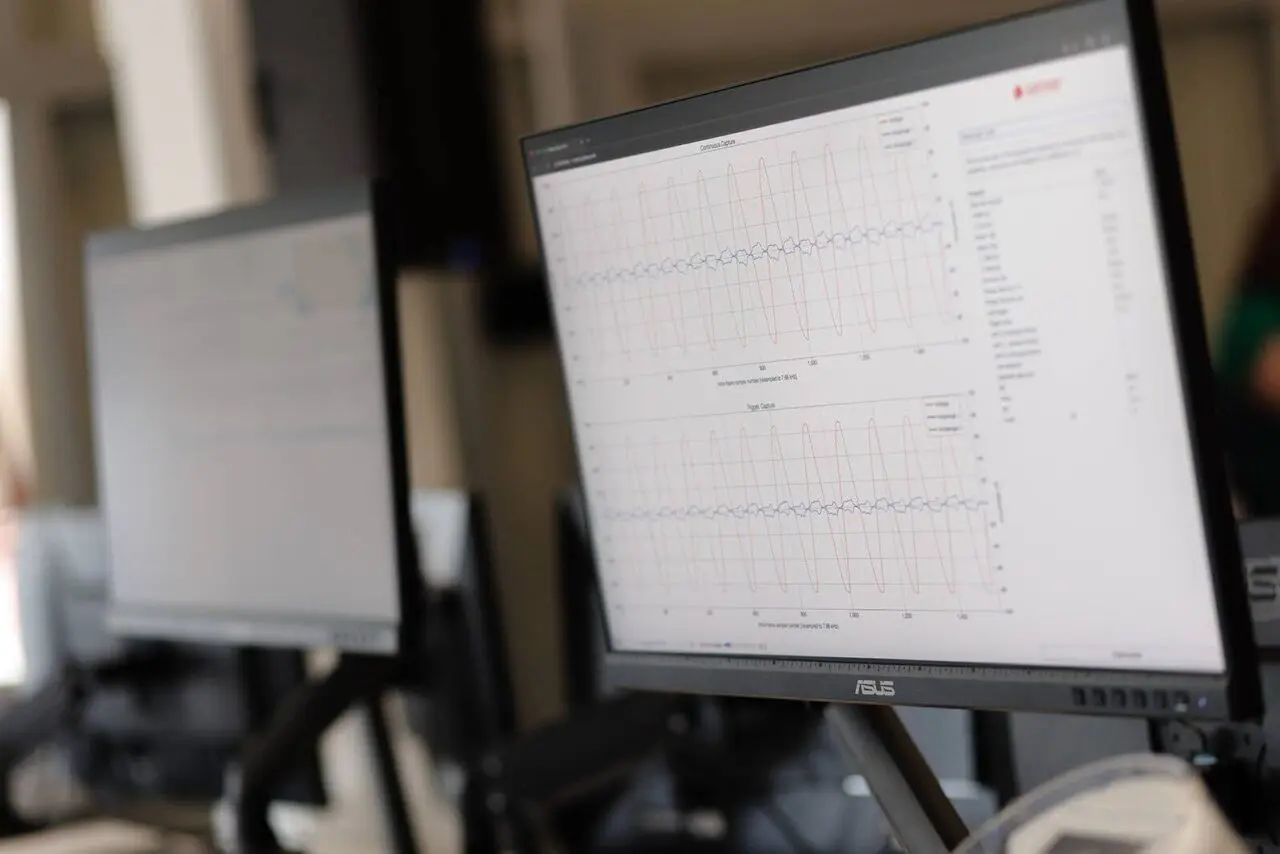
Sense’s proprietary Waveform AI translates high-resolution meter signals into actionable intelligence
Matt Nelson described this evolution as the shift from an older mobile phone to an iPhone: the value is not just the hardware, but the software platform it enables. Once meters can run software, they become durable infrastructure for future innovation.
For utilities, that creates new possibilities for real-time visibility, localized load management, and customer engagement. For customers, it creates an opportunity to better understand what is driving electricity use in the home and participate more easily in programs that support affordability and grid flexibility.
National Grid’s Jake Navarro highlighted the progress already underway. The utility’s Connected Solutions program includes 55,000 customers in Massachusetts and delivers roughly 100 megawatts of peak demand reduction. National Grid is also using managed charging programs to encourage EV drivers to charge when it is less impactful to the grid.
AMI 2.0 can make these programs more inclusive and more precise. Jake described how Sense software can help identify EV charging directly from smart meter signals, allowing more customers to participate in managed charging programs without relying solely on vehicle telematics or charger integrations.
The panel also explored how demand response, energy efficiency, time-varying rates, and customer experience need to work together. Historically, these programs have often been treated separately. But as grid constraints become more localized and dynamic, utilities will need tools that connect visibility, customer engagement, and automated action.
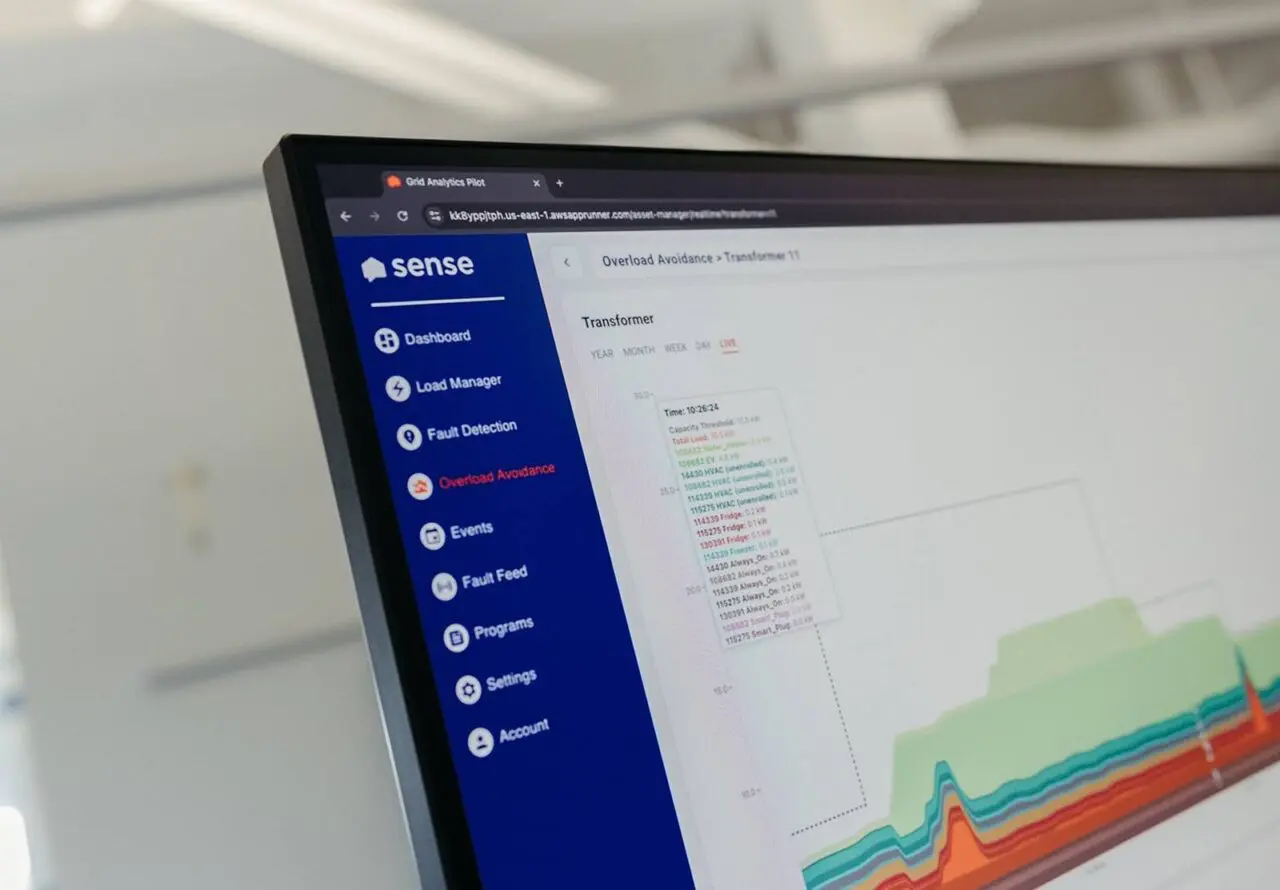
With Waveform AI, Sense creates a shared understanding of what is happening at the intersection of homes and the grid
Amy Boyd Rabin emphasized the importance of building the right regulatory environment to unlock the value of AMI 2.0. Time-varying rates, better use of information from the grid edge, and stronger customer tools can help Massachusetts advance both affordability and climate goals.
Mike Judge underscored the need to align utility incentives with state policy goals. If utilities can earn revenue from avoiding or deferring capital investments, not only from building infrastructure, they will have stronger incentives to use flexibility, load management, and virtual power plants as core grid resources.
That alignment matters because demand flexibility must become reliable enough for system planning. As Matt Nelson noted, traditional demand response has often faced skepticism from grid operators because customer behavior can be uncertain. Automation changes that equation. When flexible devices can respond in the background, they begin to function more like dependable grid resources.
The event concluded with live demonstrations showing how real-time data can support hyperlocal load flexibility and grid fault detection. One demo showed how a transformer approaching overload could be managed dynamically through coordinated control of loads such as a heat pump water heater and EV charging. Another showed how advanced meters can help identify real-time faults and failures on the grid.
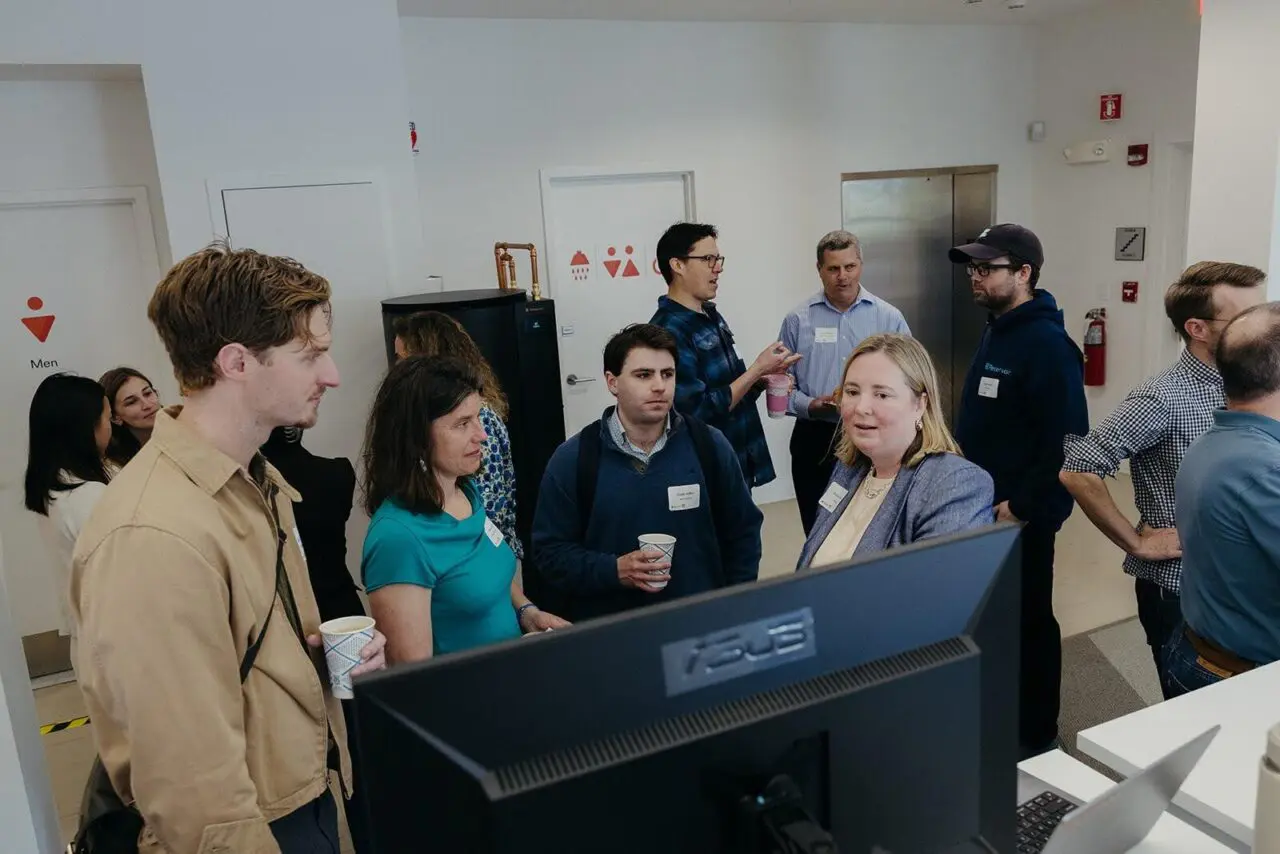
Live Sense Demo with Rhonda Textor, Head of Machine Learning Technology for Sense
The conversation made one thing clear: Massachusetts has a unique opportunity to lead. With AMI 2.0 deployments, strong policy momentum, and a growing climate technology ecosystem, the Commonwealth can demonstrate how utilities can use grid-edge intelligence to improve reliability, manage demand, and make better use of existing infrastructure.
The energy transition will require new resources. But it will also require smarter use of the grid we already have. That starts at the meter.