

As electrification accelerates, utilities need a clearer view of where EV load is growing and which charging behavior could be shaped to better support the grid.
For National Grid, that challenge is becoming increasingly important. EV adoption is expected to contribute to significant peak load growth, creating a need for better visibility into residential charging without adding unnecessary complexity for customers.
Traditional approaches to measuring and managing EV load often depend on multiple integrations with select vehicle telematics or specific charger types. These methods can be valuable, but they can also limit participation by introducing requirements tied to a particular vehicle, charger, or vendor ecosystem.
National Grid’s pilot with Sense and Landis+Gyr tested a different path: EV consumption measurement directly from AMI 2.0 meter data.
Using the Sense EV Analytics App deployed on Landis+Gyr Revelo meters, the pilot explored whether existing meter infrastructure could become a scalable source of EV visibility. It also demonstrated the broader potential of Landis+Gyr’s platform to support new edge applications from partners like Sense — turning the meter into a software-updatable edge sensor for the grid, without requiring new hardware in the home or manual field support.
The goal was to detect and measure meaningful EV charging behavior passively at the meter without new hardware or telematics integrations.
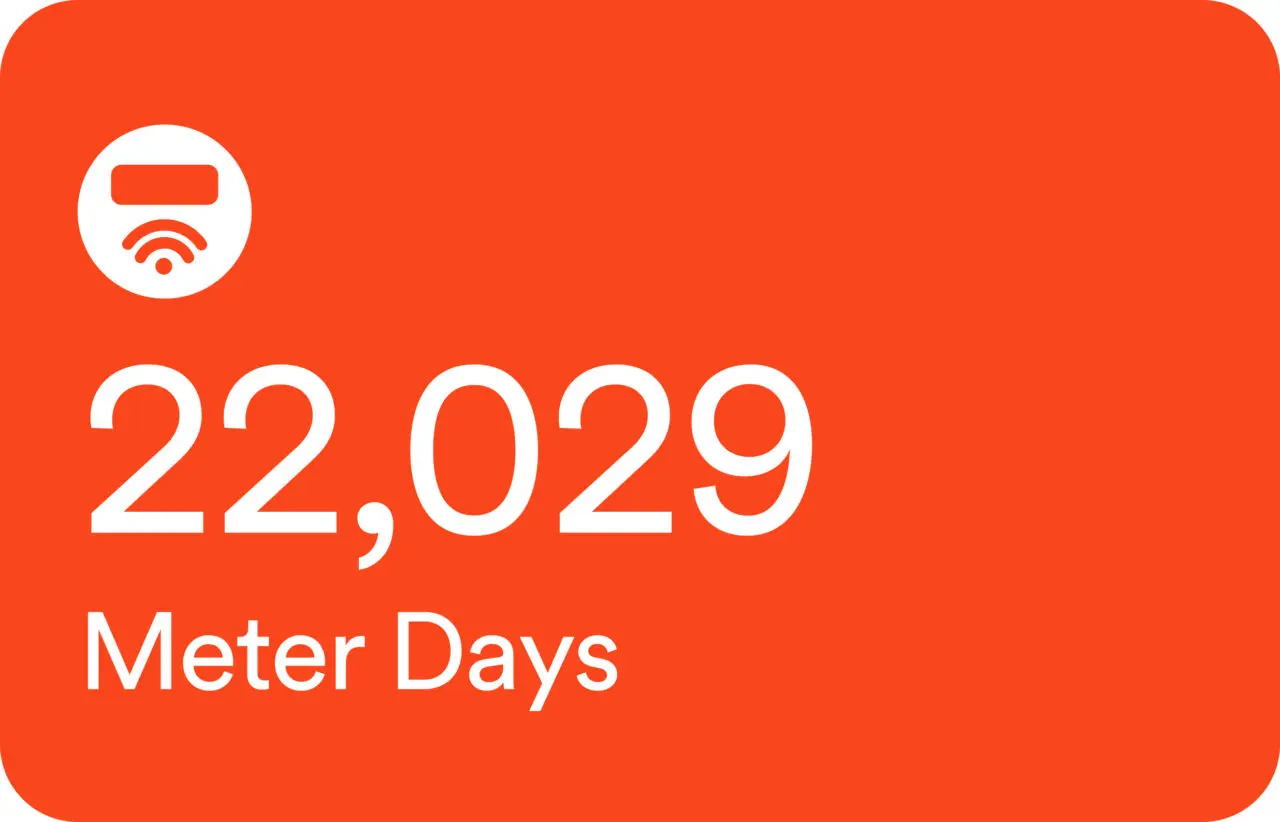
Across 22,029 meter-days, the pilot validated that EV Analytics can identify charging behavior from the meter and provide utilities with a more scalable view of where EV load is emerging.
The pilot also showed strong performance across a broad range of real-world vehicles. Sense detected 41 of 41 vehicle types in the sample, spanning major manufacturers including Tesla, Toyota, Hyundai, Kia, Chevrolet, and Ford, as well as OEM chargers.
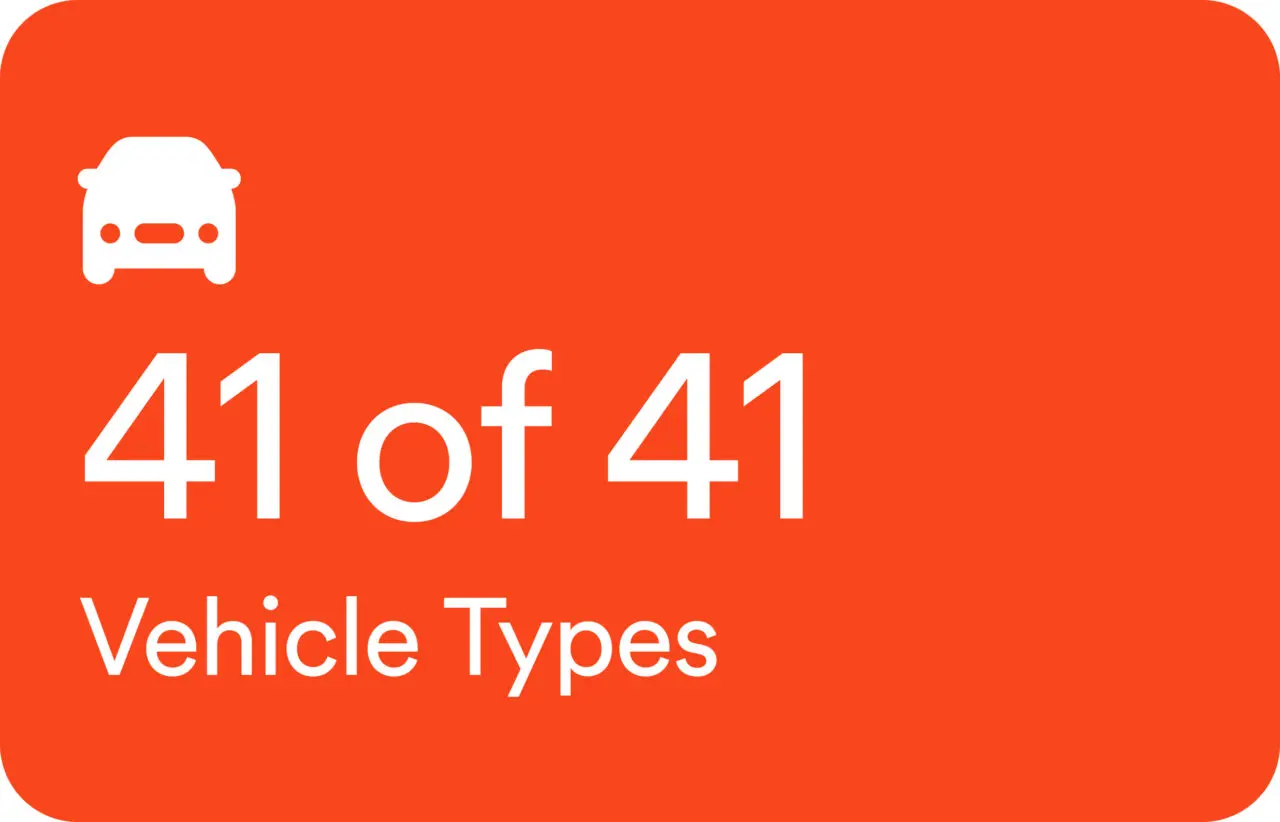
That breadth is important: for EV programs to scale, utilities need visibility that works across the diversity of vehicles and chargers customers actually use.
Level 2 charging detection was especially strong.
Manual review against 15-minute AMI data showed zero false positives in the reviewed sample, reinforcing the potential for meter-based EV detection to support managed charging, grid planning, and more targeted electrification programs.

The result is a practical proof point for grid-edge intelligence. With Sense software embedded in AMI 2.0 meters, utilities can extract more value from infrastructure they already have, turning the meter into a source of actionable visibility for new loads like EV charging.
For National Grid, the pilot is now moving from proof to the next phase of deployment, supporting EV charging detection and measurement in the Smart Charge New York program. Sense will also continue deploying model updates to improve detection and measurement, including for vehicles using Level 1 charging.
As utilities prepare for rising electrification-driven demand, scalable EV visibility will be essential.
This pilot shows how AMI 2.0 infrastructure can become more than a data collection system. By deriving meaning from high-resolution meter signals, Sense can help utilities detect meaningful EV charging behavior, better understand emerging load, expand access to managed charging, and make smarter use of the grid they already have.