The Targeting Gap
Utilities aren’t short on programs. They’re short on precision. Without visibility into what’s actually happening inside the home, targeting stays broad, uptake stays low, and grid impact is hard to predict.
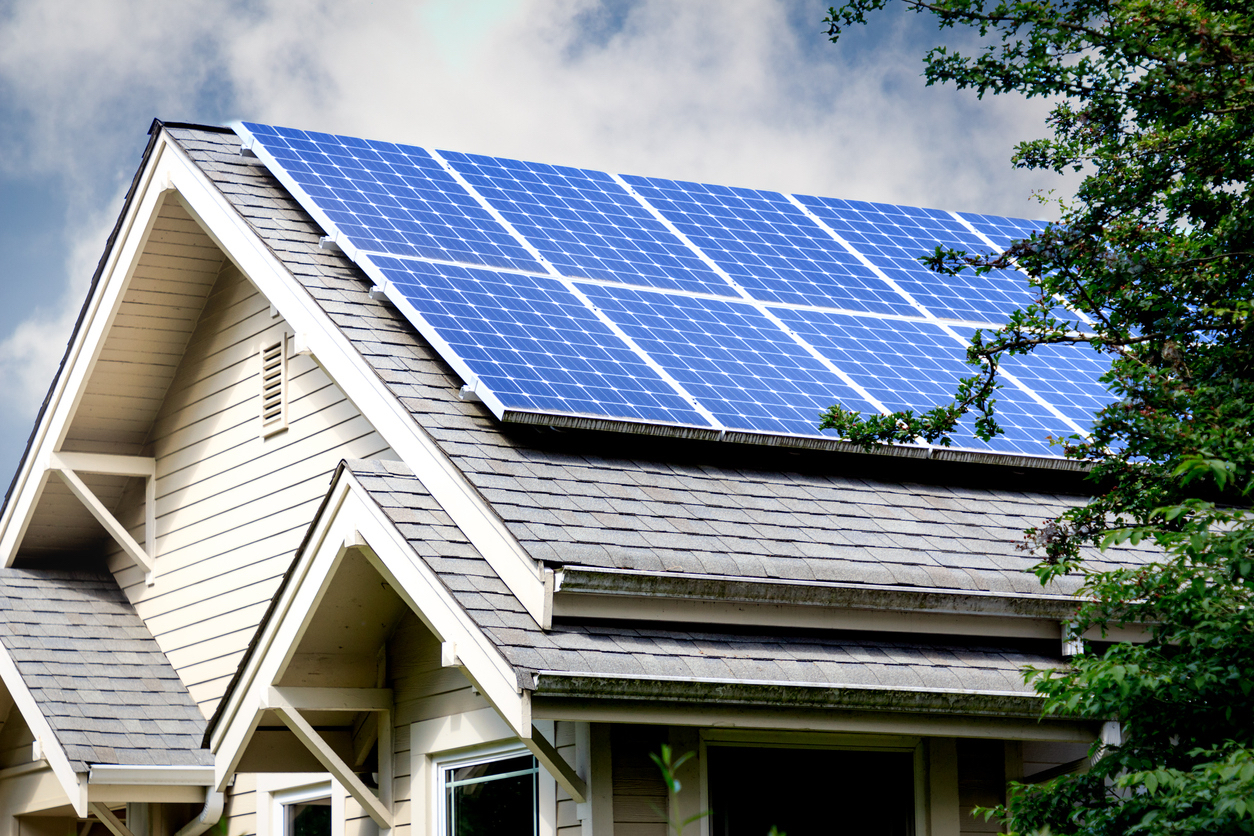
Utilities across the country have invested heavily in customer programs, EV rates and managed charging, heat pump and electrification incentives, and residential solar programs. The challenge isn’t building programs. It’s targeting them effectively. But that doesn’t have to be the case.
Need convincing? Take this recent example from Octopus Energy, regarded as one of the most digitally advanced energy providers in the world. This offer was sent to this particular customer because they knew that customer had just started charging an EV at home.
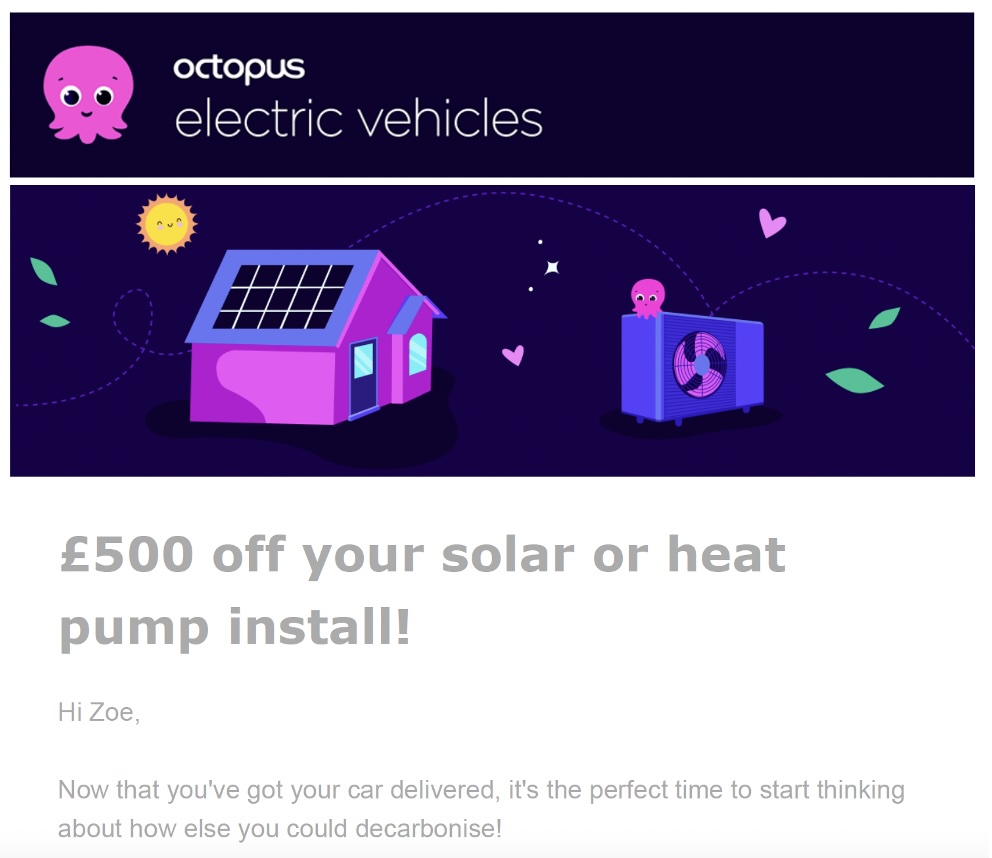
Octopus could do this because they leased the customer their EV, supplied the electricity to charge it, and upgraded them to a Level 2 charger. They had the full picture. So what if a utility could see the same thing, directly from the meter?
For most utilities, the answer today is: they can’t. But that’s changing.
What utilities have and what they’re missing
Most utilities still rely on monthly billing data or interval data at 15-minute or hourly resolution. That level of data resolution makes load categorization imprecise and nearly impossible to measure the specific load being consumed.
You can’t spot the street where three new heat pumps just pushed a 40-year-old transformer past its limits. You can’t identify which homes have adopted EVs but are still charging on Level 1. You can’t see which customers’ new solar is masking growing household consumption.
Without that visibility, programs are broad, participation levels are low (missing energy savings targets and impacting customer bills), and grid planning relies on assumptions.
The gap between customers and the grid
Electrification is happening at the level of individual homes, but utilities don’t have a consistent way to see it. That creates three core challenges:
- Program targeting isn’t personalized enough to be effective. Utilities market EV, solar, and electrification programs to large segments, rather than the specific customers who would benefit most.
- Load growth is hard to localize. New demand shows up in aggregate, but not at the level of feeders, transformers, or service lines—where constraints actually emerge.
- Planning is reactive. Without visibility into what’s driving load, utilities respond after capacity issues appear rather than before.
What changes when you can see the home
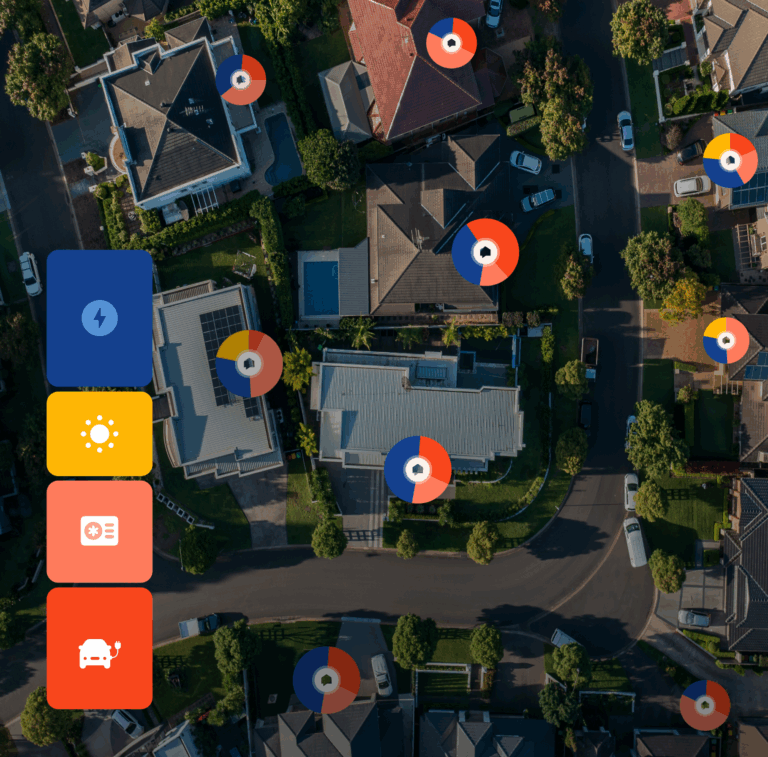
Embedded directly inside next-generation meters, Sense, powered by Waveform AI identifies what’s actually running inside the home—including EV charging (both L1 and L2 chargers), heating (heat pumps and resistance heating), solar generation and major household loads like HVAC and water heating.
This is delivered as software, processed locally, with no additional hardware and no customer action required.
The result is a category-level view of load across the entire service territory.
From visibility to targeted action
With that understanding, utilities can move from broad programs to targeted engagement.
Program targeting becomes precise
- Identify verified EV owners for managed charging or incentive/rebate programs
- Target heat pump customers with demand response or efficiency programs
- Engage solar customers with storage or export programs with the need of a submeter
Load forecasting becomes grounded in reality
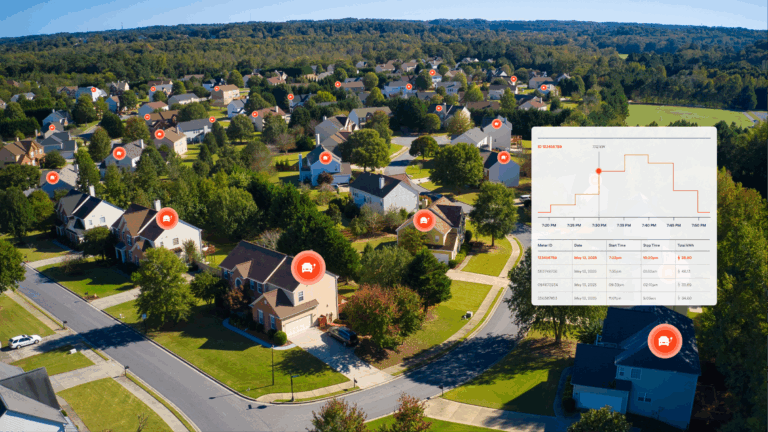
- Understand how electrification is changing demand at the transformer and feeder level
- See clusters of adoption as they form, not after the fact
Operations become more efficient
- Reduce unnecessary truck rolls
- Prioritize infrastructure upgrades based on actual conditions
- Align customer programs with grid needs
This same visibility also supports broader grid outcomes, including identifying transformer stress and emerging distribution issues before they escalate.
Why this matters now
As electrification accelerates, the utilities that can see what’s happening at the grid edge will plan better, target better, and operate better. The data is already there, sitting in the meters being deployed today.
That Octopus email wasn’t magic. It was visibility.
The question for utilities is: when millions of homes are electrifying at once, can you see what’s happening and are you ready to act on it?